Mold Assessment
Review of visible growth, water damage, affected materials, access conditions, and the likely remediation scope.
BC Green Demolition provides careful mold removal and remediation for Vancouver homes, businesses, strata properties, and renovation sites. We address contaminated materials, control the work area, and focus on the moisture conditions that allowed mold to grow.
Mold can develop where building materials remain damp because of plumbing leaks, roof or building-envelope problems, flooding, condensation, inadequate ventilation, or persistent indoor humidity. It may appear on drywall, wood, insulation, flooring, ceilings, and other porous materials—and it can remain concealed behind finished surfaces.
A lasting remediation plan needs to address both the affected materials and the moisture source. Simply painting over growth or wiping the surface may leave the underlying condition unresolved.
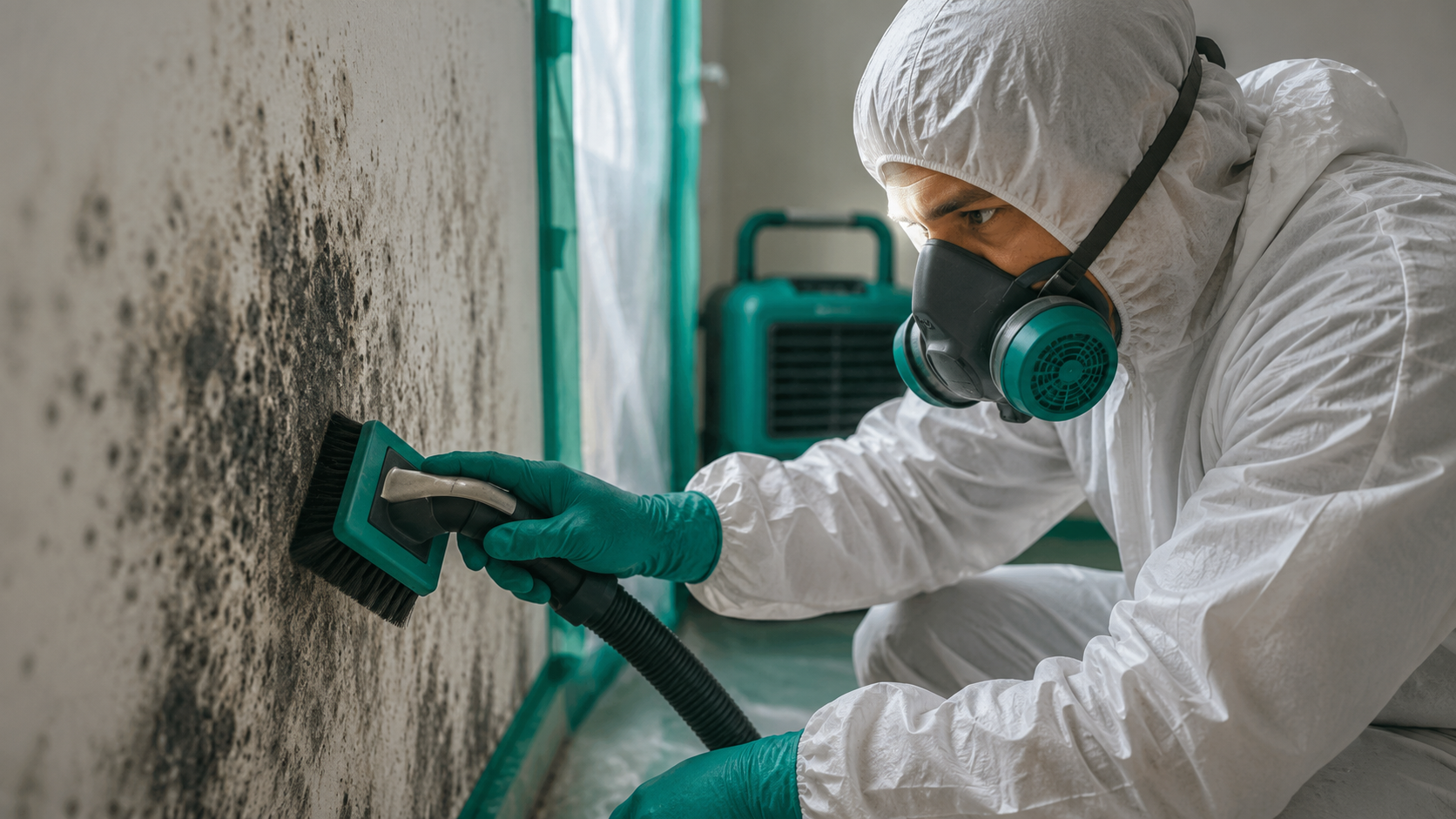
Every mold project is different. We tailor the scope to the affected area, property type, material condition, access, and source of moisture.
Review of visible growth, water damage, affected materials, access conditions, and the likely remediation scope.
Controlled work-area preparation to help reduce movement of dust and spores into unaffected parts of the property.
Careful removal and packaging of contaminated porous materials that cannot be reasonably cleaned or restored.
Detailed cleaning of appropriate structural and non-porous surfaces using methods suited to the project conditions.
Drying and moisture-control steps to help prepare the affected area for repair, rebuilding, or safe continued use.
Selective removal of mold-damaged finishes and building materials before renovation or reconstruction proceeds.
Painting, caulking, or installing new finishes over damp or contaminated material can conceal the issue without solving it. Before renovation begins, determine how far the damage extends and what needs to be removed, cleaned, or dried.
Visible mold is an obvious warning sign, but moisture problems are not always easy to see. A professional review is worth considering when you notice recurring dampness, widespread contamination, or damage that may extend behind building finishes.
We organize each project around the actual site conditions, keeping the scope understandable from the first review through cleanup.
Tell us what happened, where the issue is located, and whether there has been a leak, flood, or previous repair.
We review the affected materials, access, moisture conditions, and extent of visible or suspected damage.
The remediation area is prepared with access controls and containment appropriate to the project scope.
Affected materials are removed where necessary, suitable surfaces are cleaned, and debris is packaged for disposal.
The area is cleaned and dried, with practical next steps provided for moisture correction and rebuilding.
We support homeowners, landlords, property managers, contractors, and businesses with mold-damaged areas of many sizes and configurations.
Remediation for houses, condos, townhomes, rental properties, and strata units affected by leaks, condensation, flooding, or ventilation problems.
Planned mold removal for offices, retail units, strata common areas, multi-unit buildings, industrial spaces, and renovation projects.
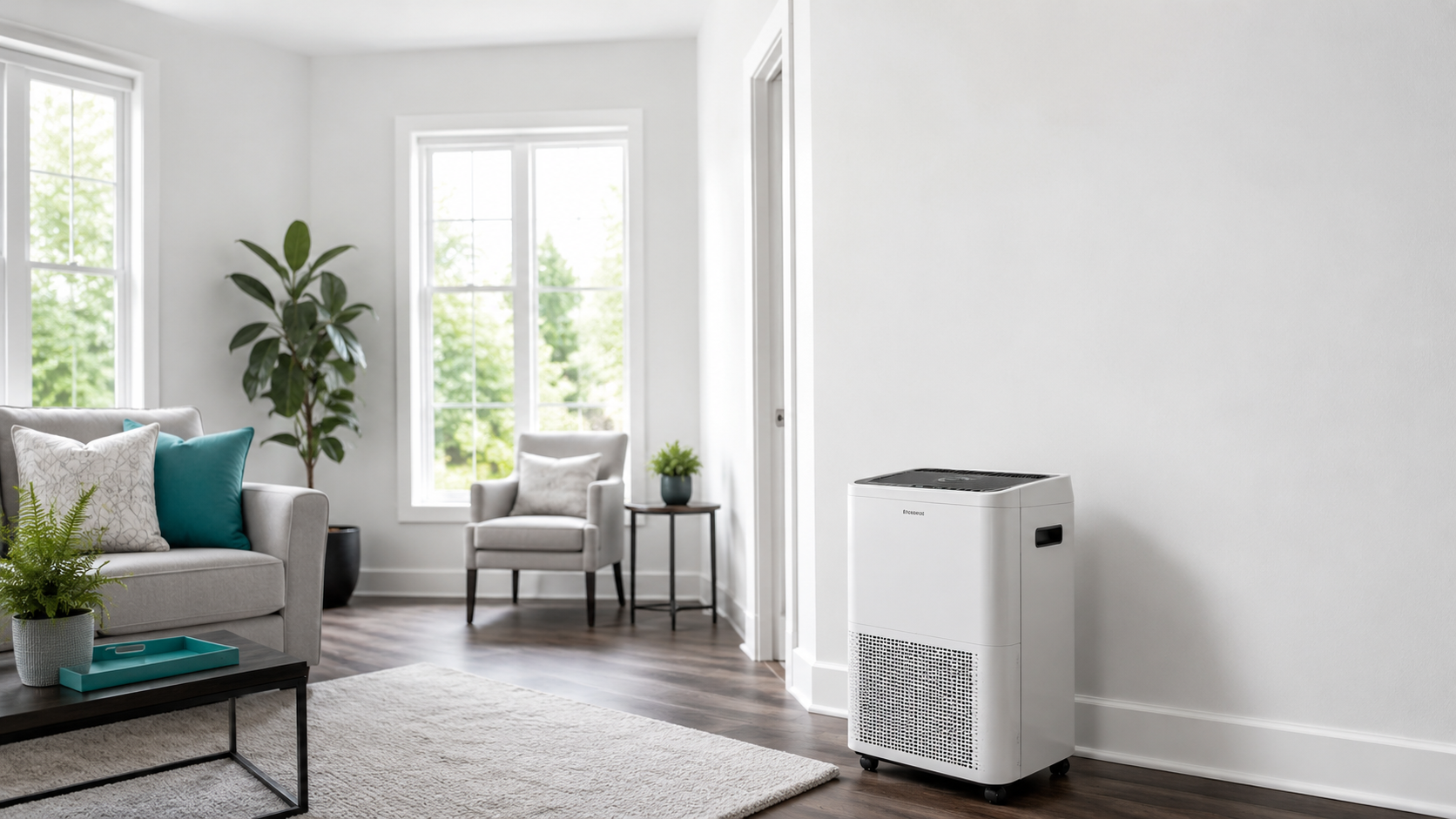
Moisture control is central to preventing renewed mold growth. Depending on the cause, the property may need plumbing or building-envelope repairs, improved bathroom or kitchen ventilation, drying after a leak, or better control of indoor humidity.
Disturbing mold-damaged drywall, insulation, flooring, or other building materials can release dust and spores. The work area, removal method, protective equipment, debris handling, and cleanup should reflect the extent and condition of the contamination.
For workplaces and larger remediation projects, additional WorkSafeBC requirements may apply. The project should be reviewed before demolition or renovation begins.
A dependable estimate requires the actual project details. Pricing changes according to the affected area, materials, access, containment needs, and moisture conditions.
The size of the visible and suspected contamination and how far moisture damage extends.
Whether affected drywall, insulation, wood, flooring, or finishes can be cleaned or must be removed.
Work-area access, occupied spaces, concealed cavities, and containment requirements.
Moisture-control needs, demolition volume, debris handling, cleaning, and disposal requirements.
Vancouver’s rainy climate, older housing stock, basements, flat roofs, plumbing failures, and condensation-prone spaces can create conditions where indoor mold develops. Include your address when requesting a quote and our team will confirm availability for your area.
Condos, offices, rental properties, retail units, and strata buildings.
Older houses, basements, bathrooms, rental units, and renovation sites.
Residential mold removal and water-damaged material remediation.
Homes, multi-unit buildings, commercial spaces, and renovations.
Older properties, basements, wall cavities, and renovation preparation.
Residential, rental, strata, and commercial mold remediation.
Condos, houses, offices, tenant improvements, and commercial units.
Homes, basements, bathrooms, kitchens, and water-damaged interiors.
A successful mold remediation project depends on clear planning, careful work, responsible material handling, and attention to the moisture conditions behind the damage.
Our experience in remediation and demolition helps connect contaminated-material removal with the next stage of repair, renovation, or rebuilding.
We focus on work-area planning, access control, containment, removal, and cleanup.
We understand Vancouver properties, water-damage conditions, and renovation sites.
We understand how mold-damaged material removal connects with renovation and rebuilding.
We explain the approved scope, access needs, timeline, and next steps before work begins.
Mold remediation may connect with demolition, asbestos testing and removal, lead abatement, or biohazard cleanup—especially in older or water-damaged properties.
Common questions homeowners, contractors, landlords, and property managers ask before starting mold remediation.
Mold removal generally refers to removing contaminated materials or cleaning affected surfaces. Mold remediation is the broader process: assessing the damage, controlling the work area, removing or cleaning affected materials, drying the area, and addressing the moisture conditions that allowed growth.
Professional help is worth considering when growth covers a large area, keeps returning, follows significant water damage, affects porous building materials, is suspected behind walls or ceilings, or cannot be addressed safely without disturbing contaminated material.
Not every project requires testing. Health Canada recommends cleaning visible mold regardless of species and correcting the moisture source. Testing or an independent indoor-environment assessment may be useful when the source is unclear, no growth is visible, documentation is required, or the property has complex indoor-air concerns.
Cost depends on the affected area, building materials, access, containment requirements, amount of demolition or disposal needed, drying needs, and whether damage is concealed. Send us photos and project details so we can review the scope and prepare a quote.
Small, accessible projects may take a few days, while widespread or concealed damage may take longer. The timeline depends on containment, material removal, cleaning, drying, access, and any repairs needed to stop the moisture source.
Yes. Mold can return if building materials become damp again. Fixing leaks, controlling condensation and humidity, improving ventilation, and drying water-damaged areas promptly are important parts of long-term prevention.
It depends on the location and size of the work area, the occupants, access routes, and the containment plan. Some projects allow unaffected areas to remain occupied, while others may require temporary access restrictions. We review this before work begins.
Yes. We support commercial units, offices, retail spaces, rental properties, strata buildings, common areas, and multi-unit properties throughout Vancouver.
We provide mold removal in Vancouver and serve surrounding Metro Vancouver communities, including Burnaby, North Vancouver, West Vancouver, Richmond, Coquitlam, New Westminster, and nearby areas.
Contact BC Green Demolition for mold remediation, controlled material removal, cleaning, drying support, and renovation preparation.